 delishing
How to Reheat Steak on the Stove (and Other Methods)

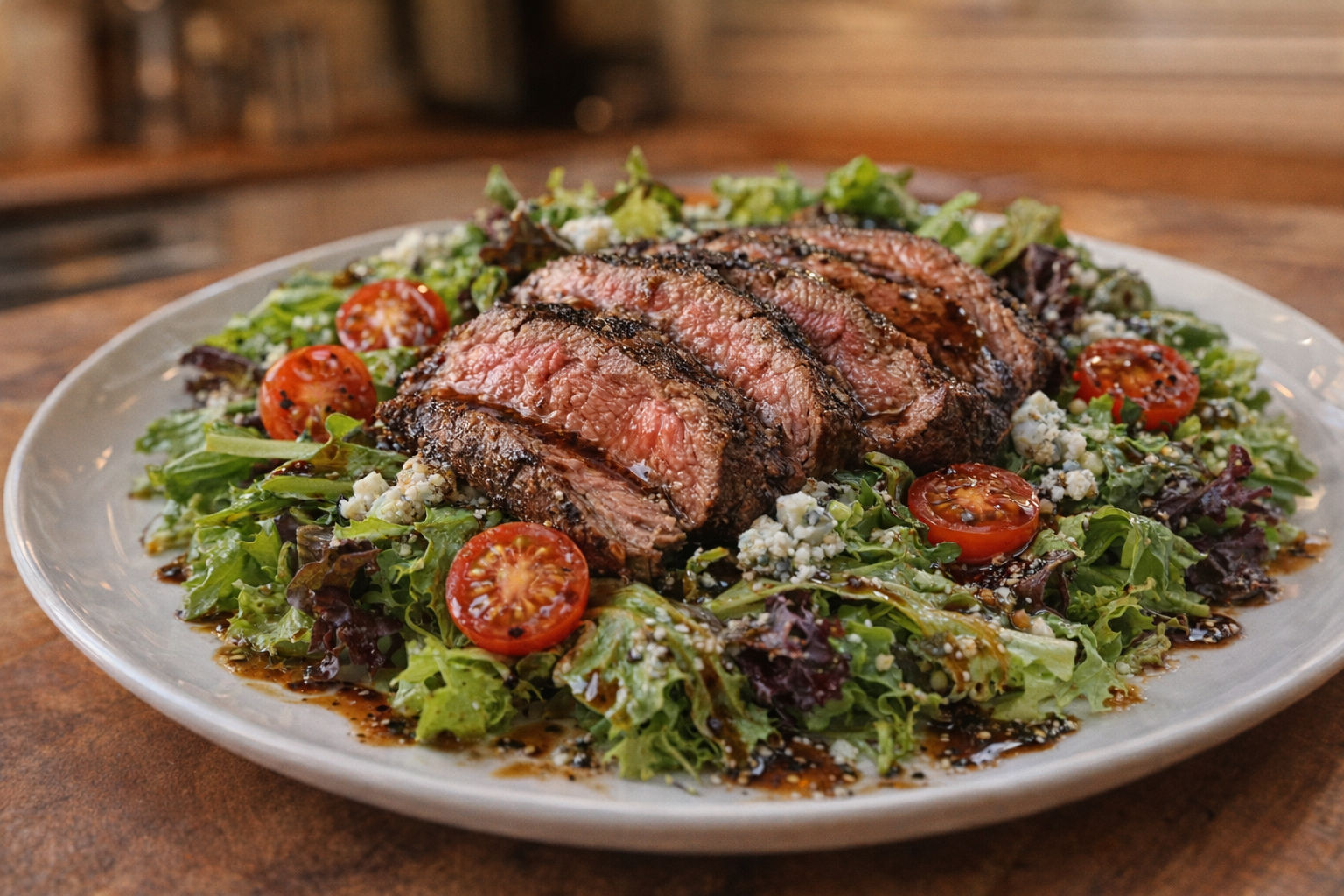
Reheating steak can be tricky. You want to bring it back to life without sacrificing that delicious, savory flavor and tender texture you worked so hard to achieve the first time. The goal is to avoid drying it out, overcooking it, or turning it into a rubbery mess. The key is gentle heat and a little bit of added moisture.
This guide explores multiple methods for reheating steak, from the quick and convenient stovetop to the more involved but rewarding sous vide. Each method is detailed, with tips and tricks to ensure your leftover steak is just as enjoyable as the original. We'll walk you through the nuances of each approach, helping you choose the best one for your time, equipment, and desired outcome.
Understanding Steak Cuts
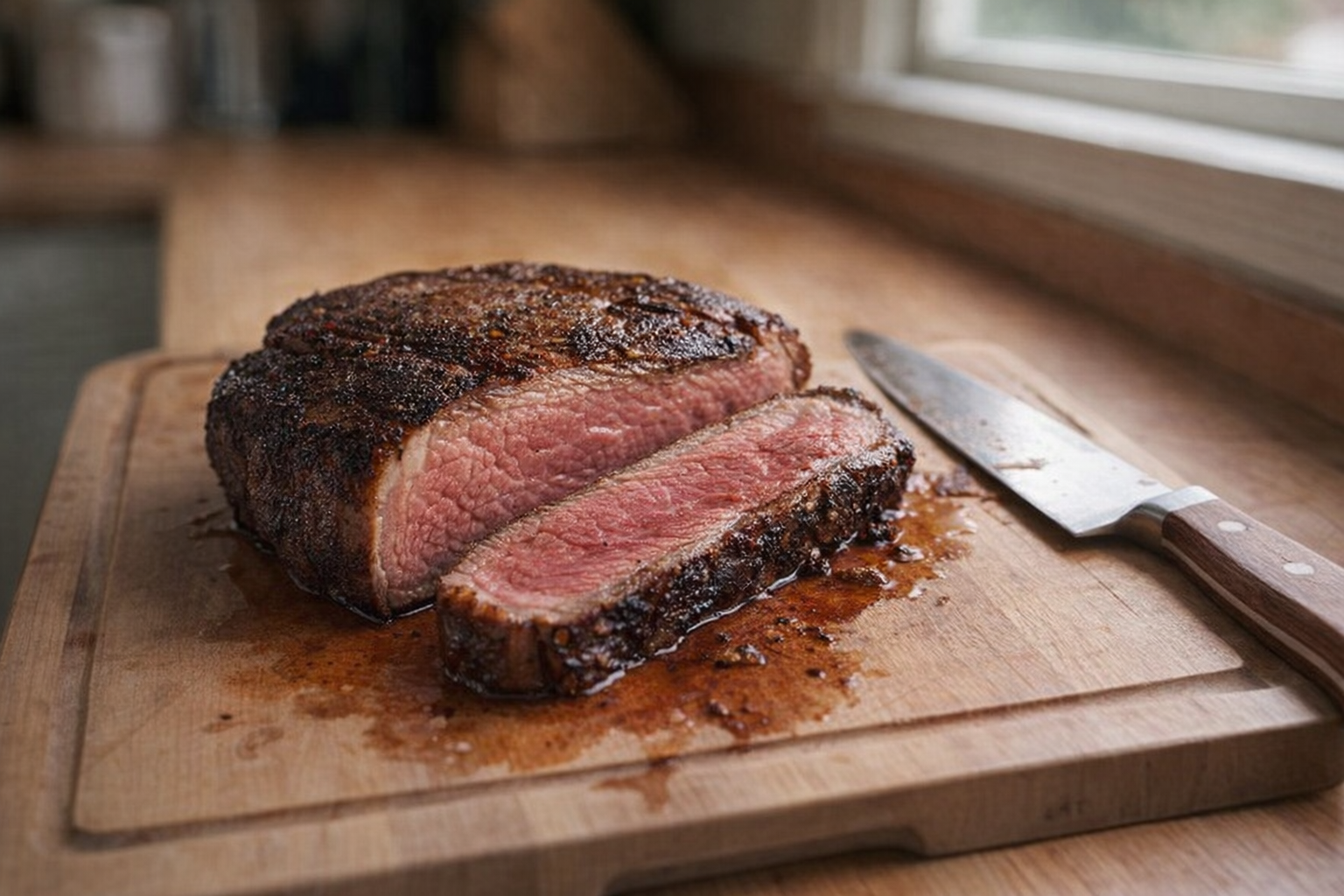
Before reheating, it's essential to understand your steak cut. Different cuts have varying fat content and muscle structure, which affects how they respond to reheating. Ribeye, with its generous marbling, will be more forgiving than a leaner cut like sirloin. Thicker cuts like filet mignon require gentler methods to avoid drying out.
When buying steak for the initial cook, look for good marbling (the white flecks of fat within the muscle) and a vibrant red color. Avoid steak that looks brown or feels slimy. If you plan on having leftovers, consider slightly undercooking the steak initially, as it will continue to cook during the reheating process.
Why Reheat Steak This Way?
- Versatility: Learn multiple methods to suit your available time and equipment, from a quick stovetop sear to the precise sous vide.
- Flavor: Retain the original savory flavor and prevent the steak from drying out or becoming tough.
- Convenience: Transform leftovers into a quick and delicious meal, whether it's a steak and eggs breakfast or a steak fajita dinner.
Preparation (Mise en Place)
- Thawing (if frozen): If your leftover steak is frozen, thaw it completely in the refrigerator for at least 24 hours. Do not thaw at room temperature, as this can promote bacterial growth.
- Resting: Allow the steak to sit at room temperature for 20-30 minutes before reheating. This will help it heat more evenly.
- Slicing (optional): For quicker and more even reheating, consider slicing the steak into thinner portions, especially for methods like the stovetop or microwave.
Essential Tools
- Cast Iron Skillet (for stovetop method): A cast iron skillet provides excellent heat retention and even heat distribution, crucial for achieving a good sear.
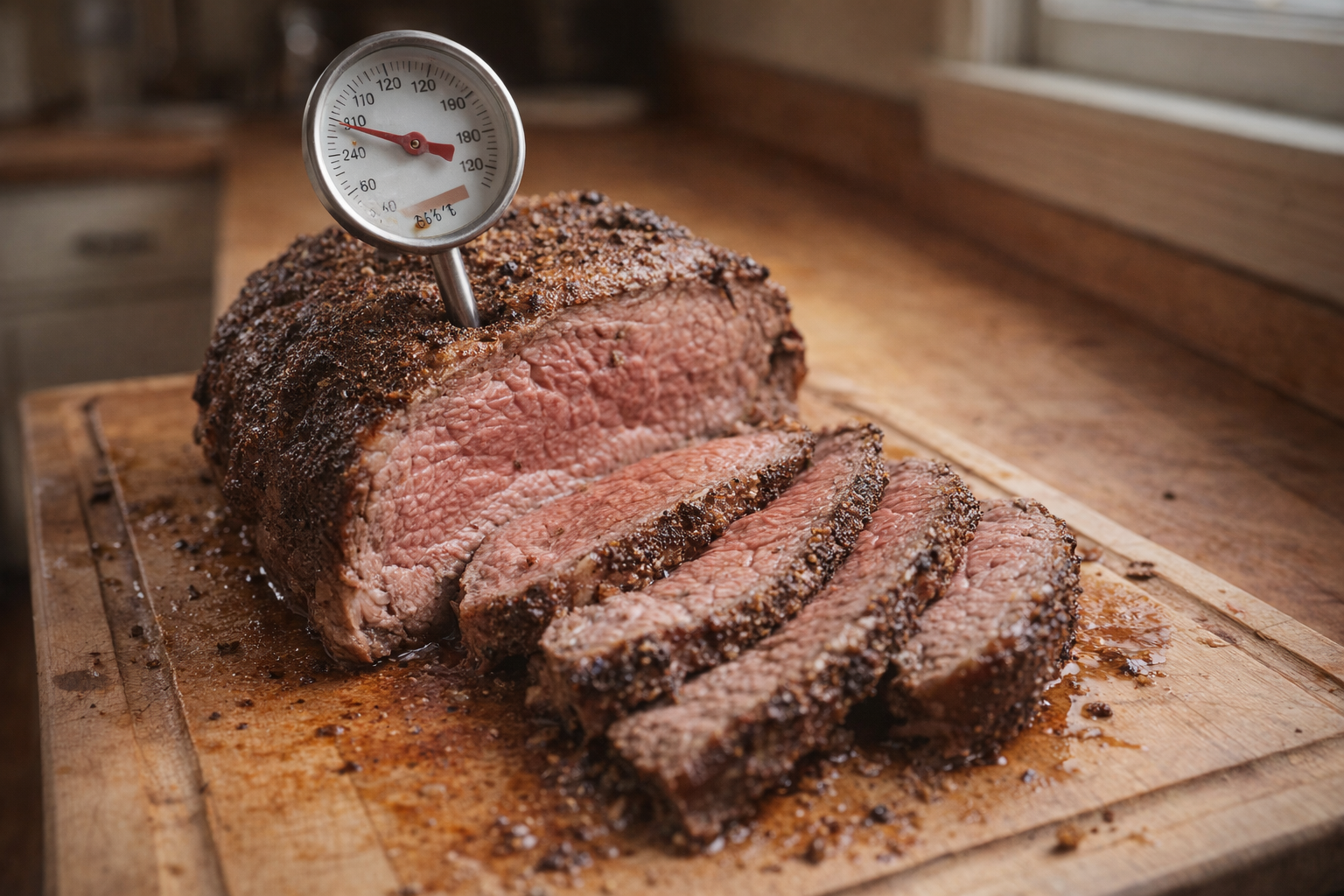
- Meat Thermometer: An instant-read meat thermometer is essential for ensuring the steak reaches the desired internal temperature without overcooking.
- Baking Sheet and Wire Rack (for oven method): The wire rack allows hot air to circulate around the steak, preventing it from sitting in its own juices.
- Sous Vide Immersion Circulator (for sous vide method): This tool precisely controls the water temperature, ensuring even and gentle reheating.
The Cooking Methods
Here are several methods for reheating your steak, each with its own advantages and disadvantages. Choose the one that best suits your needs and available resources.
Method 1: Stovetop Searing
This is a quick and effective method for reheating steak, especially thinner cuts. It allows you to regain a desirable crust while warming the inside.
Ingredients:
- Leftover steak, sliced or whole
- 1 tablespoon neutral oil (vegetable, canola, or grapeseed)
- 1 tablespoon butter (optional, for added flavor)
- Remove steak from the refrigerator 20-30 minutes before reheating. Pat it dry with paper towels to remove excess moisture.
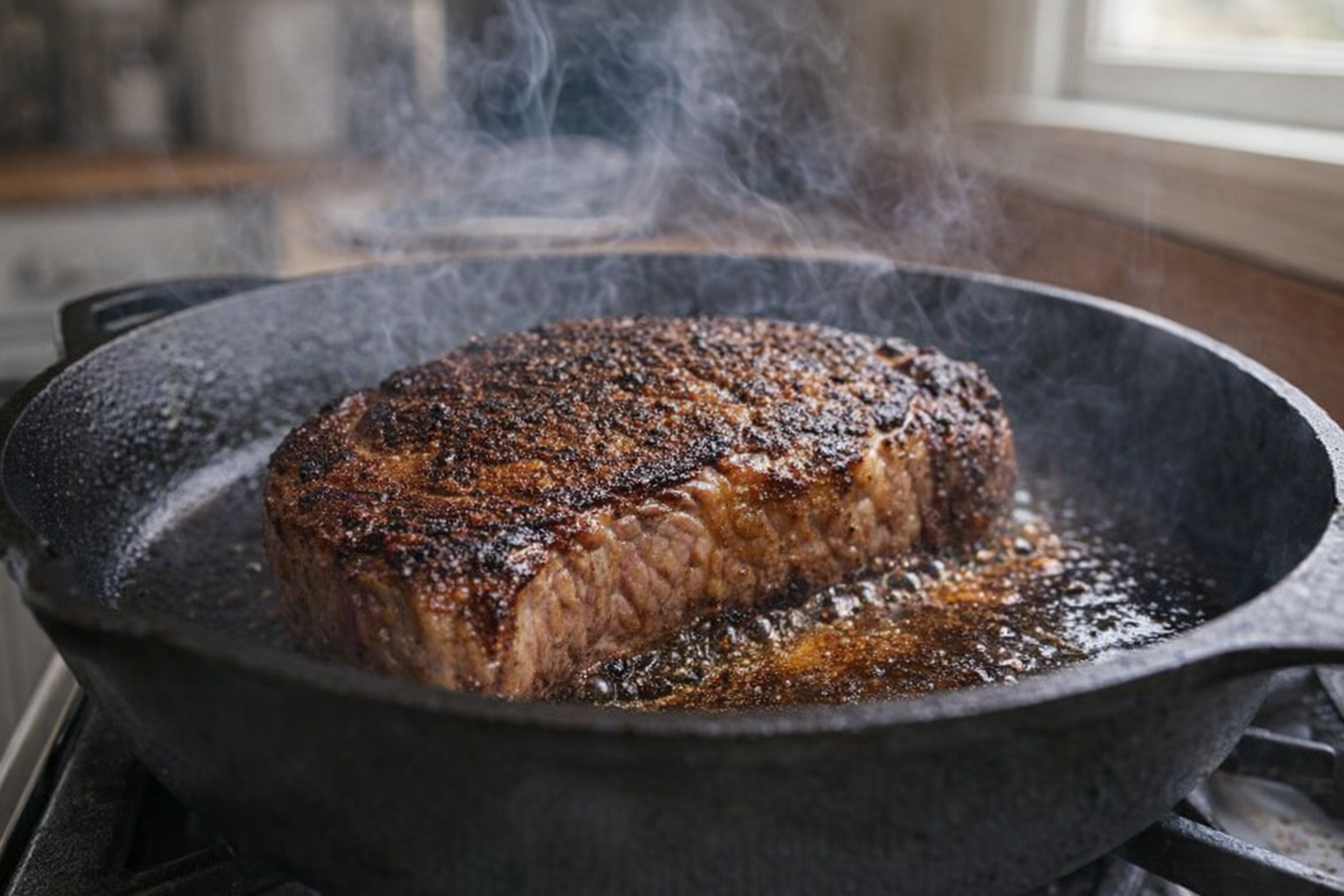
- Choose a heavy-bottomed skillet, preferably cast iron, and place it over medium-high heat. Add the oil and let it heat until it shimmers.
- If using butter, add it to the pan after the oil is hot. The butter will add flavor and help create a richer crust.
- Carefully place the steak in the hot skillet. Ensure there's enough space around each piece to allow for proper searing. Avoid overcrowding the pan.
- Sear the steak for 2-3 minutes per side, until a golden-brown crust forms and the internal temperature reaches your desired doneness (see "Cooking Time & Doneness Guide" below). Listen for a sizzle – that's the sound of the Maillard reaction creating delicious flavors.
- Remove the steak from the pan and let it rest for 5 minutes before serving. This allows the juices to redistribute, resulting in a more tender and flavorful steak.
Method 2: Oven Reheating with Sear
This method is best for thicker cuts of steak, as it allows for even heating without overcooking the outside. The sear at the end adds a desirable crust.
Ingredients:
- Leftover steak
- 1 tablespoon neutral oil (vegetable, canola, or grapeseed)
- Preheat your oven to 250°F (120°C).
- Place a wire rack on a baking sheet. This allows air to circulate around the steak, preventing it from becoming soggy.
- Place the steak on the wire rack and bake for 20-30 minutes, or until the internal temperature reaches 110°F (43°C). Use a meat thermometer to check the temperature.
- While the steak is in the oven, heat a cast iron skillet over high heat until it's smoking hot. Add the oil.
- Once the steak is heated through, remove it from the oven and carefully place it in the hot skillet.
- Sear the steak for 1-2 minutes per side, until a golden-brown crust forms.
- Remove the steak from the pan and let it rest for 5 minutes before serving.
Cooking Time & Doneness Guide
- Rare: 120-130°F (49-54°C) - Very red center
- Medium-Rare: 130-140°F (54-60°C) - Warm red center
- Medium: 140-150°F (60-66°C) - Pink center
- Medium-Well: 150-160°F (66-71°C) - Slightly pink center
- Well-Done: 160°F+ (71°C+) - Little or no pink
Visual Cues
While a thermometer is best, you can also use visual cues. A rare steak will feel very soft and yielding to the touch. As it cooks more, it will become firmer. Be careful not to overcook, as steak becomes tougher as it cooks past medium.
Tips for Perfection
- Don't Overcrowd the Pan: Overcrowding the pan will lower the temperature and prevent the steak from searing properly. Reheat the steak in batches if necessary.
- Pat the Steak Dry: Removing excess moisture from the steak before reheating will help it sear properly and develop a desirable crust.
- Use a Meat Thermometer: A meat thermometer is the most accurate way to ensure the steak reaches the desired internal temperature without overcooking.
- Let it Rest: Allowing the steak to rest for 5 minutes after reheating allows the juices to redistribute, resulting in a more tender and flavorful steak.
Storage & Reheating
Store leftover reheated steak in an airtight container in the refrigerator for up to 3 days. To reheat again, it's best to use a gentle method like the oven or sous vide to avoid drying it out further. Consider slicing the steak thinly before reheating for quicker and more even results. Microwaving is generally not recommended for a second reheating, as it can make the steak tough.
Serving Suggestions
- Steak and Eggs: A classic breakfast or brunch option. Serve the reheated steak alongside scrambled or fried eggs.
- Steak Salad: Top a bed of mixed greens with sliced reheated steak, cherry tomatoes, blue cheese crumbles, and a vinaigrette dressing.
- Steak Fajitas: Slice the reheated steak into strips and sauté with bell peppers and onions for a quick and easy fajita filling.
- Steak Sandwich: Layer the reheated steak on a toasted roll with your favorite toppings, such as lettuce, tomato, and horseradish sauce.
💡 Pro Tips
- Allow the steak to sit at room temperature for about 20 minutes before reheating to ensure it warms through evenly without overcooking the edges.
- Add a teaspoon of beef broth or water to the pan and cover it with a lid to create steam, which keeps the meat tender and moist.
- Use low heat on the stovetop to gently warm the steak, flipping it frequently to prevent any single side from becoming tough or rubbery.
- Once the steak is warmed through, briefly sear it in a hot skillet with a small amount of butter to restore its crisp, caramelized exterior.
- Monitor the internal temperature with a meat thermometer and remove the steak from the heat as soon as it reaches 110°F to preserve its original doneness.
Frequently Asked Questions
While a cast iron skillet is ideal for its heat retention, you can use a heavy-bottomed stainless steel pan as an alternative. Just be sure to preheat the pan thoroughly over medium-high heat before adding the steak to ensure a good sear.
Reheating a well-done steak without further toughening it can be challenging. The best approach is to slice it thinly and use a gentle reheating method like the stovetop with added moisture (a small amount of broth or sauce) to help keep it from drying out.
Leftover cooked steak should be stored in an airtight container in the refrigerator and is generally safe to eat for up to 3-4 days. Make sure to cool the steak completely before refrigerating it to prevent bacterial growth.
When reheating steak, aim for an internal temperature of 130-135°F (54-57°C) for medium-rare. This ensures it's heated through to a safe temperature while maintaining a desirable level of doneness; use a meat thermometer to check.